 How-to
7 Ways to Build Patience in Beginner Firearm Training
Last Updated: November 12, 2026
Quick Summary
Building patience in beginner firearm training starts with learning safety rules first and treating each skill as a step to repeat until it feels routine. Measure progress with observable milestones rather than a deadline, and choose a patient instructor who explains the reason behind every rule.
- Practice the four safety rules from day one, since every later drill depends on them.
- Track milestones such as safe unloading and ten slow dry-practice trigger presses instead of counting minutes.
- Ask the instructor for one correction per repetition so changes are easier to repeat.
- Reset after a mistake rather than rushing the next shot, because slow correct repetitions teach more.
- Ask how many students are in each class and how much one-on-one time you receive.
Table of Contents
- Firearm Safety Rules for Beginners
- What to Expect at Your First Firearm Class
- How Long It Takes to Learn Firearm Safety and Fundamentals
- Questions to Ask a Firearms Instructor Before You Enroll
- Managing Nerves and Measuring Progress Without Pressure
- Booking Your First Session With Tactical Trash Pandas
- Frequently Asked Questions
Most new shooters want to get good fast. That urge makes sense, but it often works against the learner. A 2024 study reports that six in ten participants overall had completed a certified firearm safety training course, which means many gun owners are still learning on their own terms. 2024 national study of firearm exposure and safety training At Tactical Trash Pandas, we see the same pattern in our beginner classes: students who slow down and build habits tend to stay safer and more confident than those who rush.
Patience is not the same as waiting around. It means taking each skill in order, repeating it until it feels routine, and accepting that early mistakes are part of learning. This guide covers seven ways to build that patience, from understanding safety rules to knowing what a good instructor looks like.
Firearm Safety Rules for Beginners
The first thing to learn is how to handle a firearm safely. Safety rules are not a checklist to memorize once. They are the foundation for every drill that follows.
The NRA describes a four-hour classroom course covering its three safety rules, accident causes, firearm parts, and safe unloading procedures. NRA beginner firearm training course outline That structure is a useful model for how a beginner should approach the subject.
Key rules to practice from day one:
- Treat every firearm as if it is loaded.
- Keep the muzzle pointed in a safe direction at all times.
- Keep your finger off the trigger until you are ready to shoot.
- Know your target and what is beyond it.
Slowing down on these basics is where patience pays off. Students who take time to build these habits rarely make the serious mistakes that rushed beginners do.
What to Expect at Your First Firearm Class
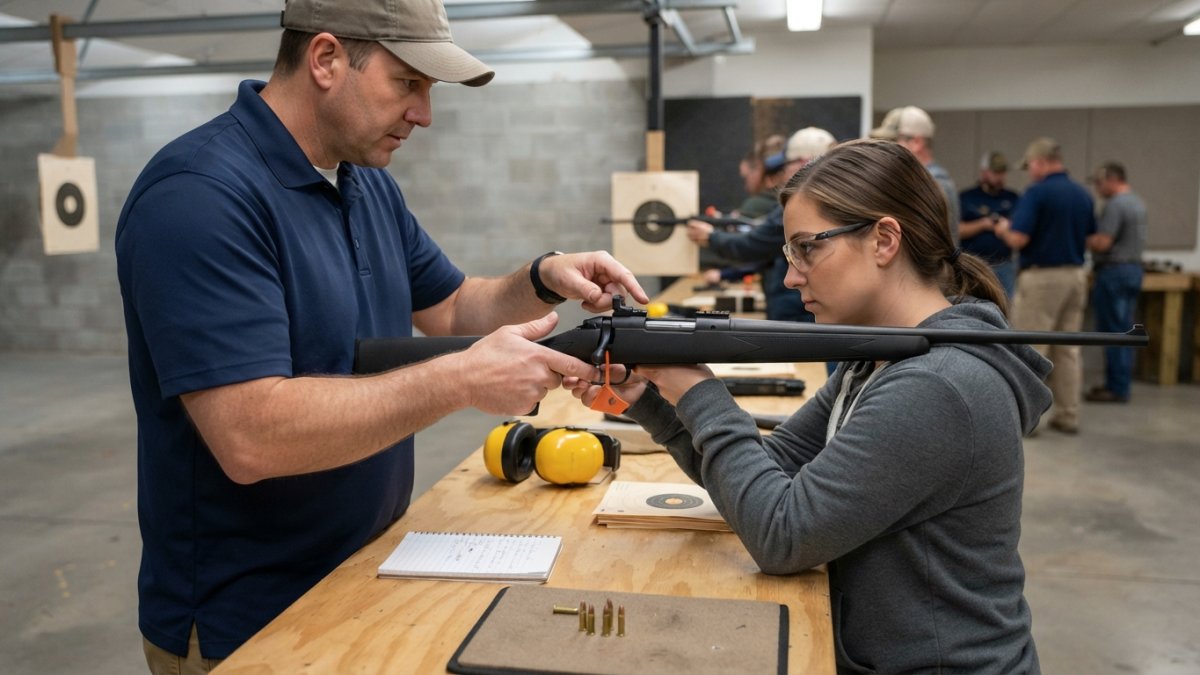
Your first class usually starts in a classroom, not on the firing line. You will meet the instructor, review safety rules, and learn the parts of the firearm before you ever handle a loaded one at the range. The order matters: safety orientation comes first because every later drill depends on it.
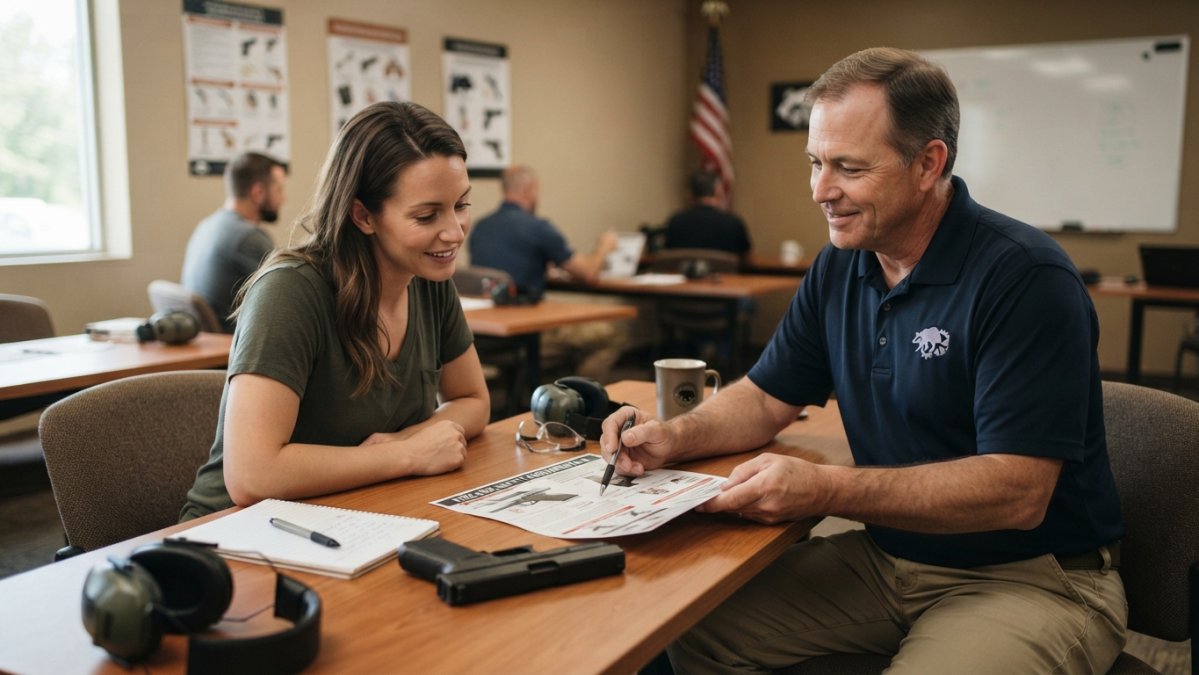
Most beginner sessions move through a staged sequence. Knowing the stages in advance is one of the best ways to stay patient, because you can see that each step is building toward the next rather than testing you all at once.
A good first class should feel unhurried. You should be allowed to ask questions and repeat steps. If an instructor rushes you past the safety orientation or puts a loaded firearm in your hands before you can explain the rules, that is a warning sign. If you want a detailed walkthrough of a concealed carry class for beginners, our article on that topic covers it in more depth. For a local look at what a beginner session in Manassas involves, see our guide to beginner firearm classes in Manassas, VA.
How Long It Takes to Learn Firearm Safety and Fundamentals
There is no fixed timeline, and anyone who promises one is overselling. Progress depends on how often you practice, how much you have shot before, and how comfortable you feel with the basics. What you can control is how you measure progress and how you handle the frustration that comes with slow improvement.
Measure milestones, not minutes. Instead of asking how long it takes, track what you can do reliably. A common progression looks like this:
- Safety milestone: You can state the four safety rules from memory and demonstrate safe handling and unloading with an unloaded firearm, without prompting.
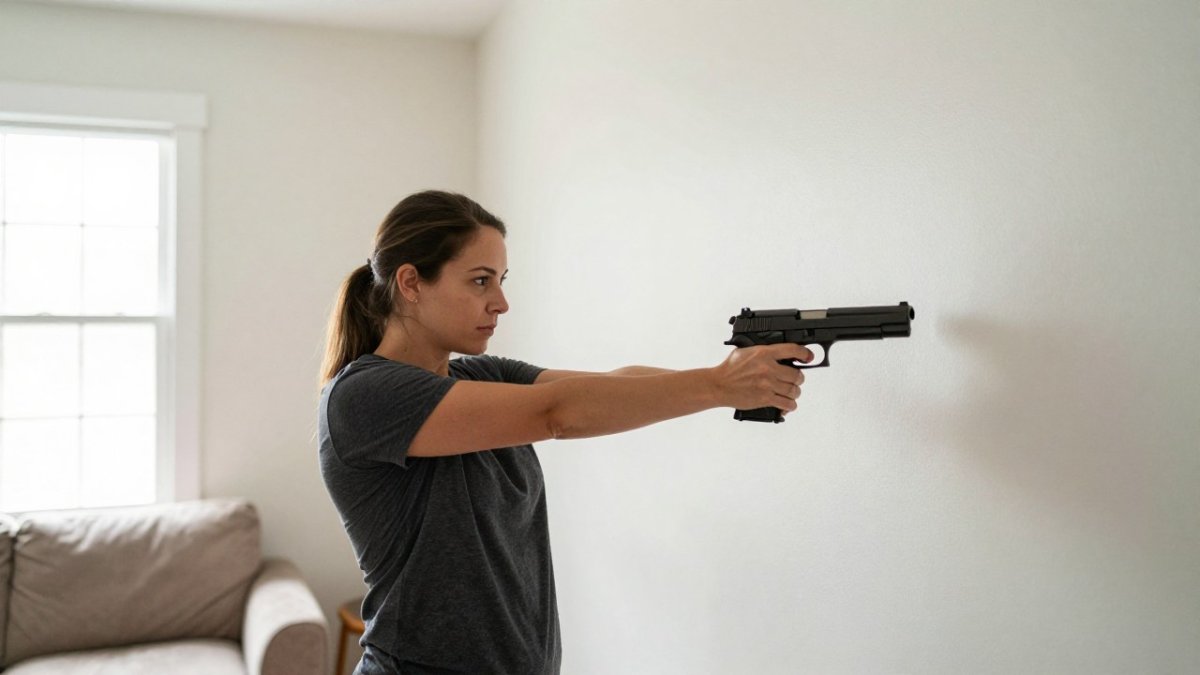
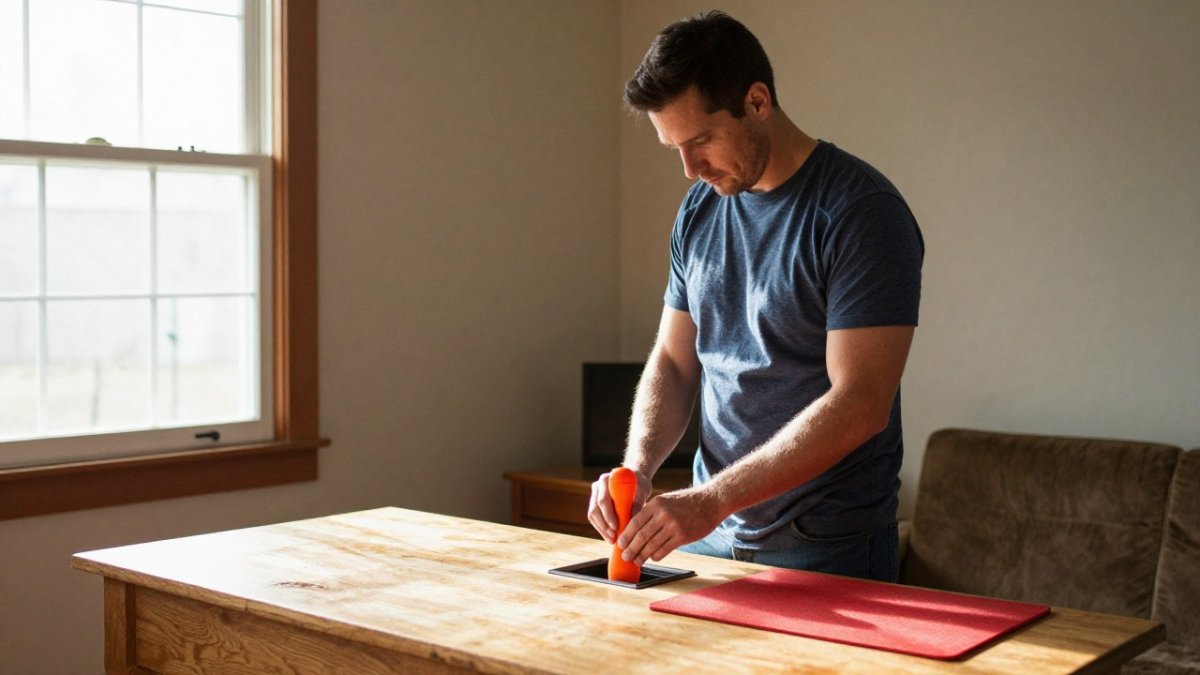
- Dry-practice milestone: You can complete ten slow trigger presses in dry practice with the muzzle staying in a safe direction and your finger off the trigger until you are on target.
- Live-fire milestone: You can shoot a small group at a short distance with a consistent grip and stance, and you can explain where your shots went and why.
- Consistency milestone: Your safe handling habits hold up when you are tired, nervous, or shooting a new firearm for the first time.
These milestones are observable, so you and your instructor can agree on when you have met one. That replaces the pressure of a deadline with a clear next step.
Manage frustration during instruction. Patience is a skill you practice, not a personality trait. Most practitioners find that frustration peaks when a learner tries to fix everything at once. A few habits help:
- Ask the instructor to give you one correction per repetition, not five. One change at a time is easier to repeat.
- When you make a mistake, pause and reset rather than rushing the next shot. A slow, correct repetition teaches more than three fast, sloppy ones.
- Tell your instructor when you feel overwhelmed. A good instructor will slow down, switch to dry practice, or take a short break.
- Keep a short log of what you practiced and what felt better than last time. Seeing small improvements on paper makes slow progress easier to trust.
Watch out: if you find yourself rushing to keep up with a group or hiding mistakes from your instructor, stop and reset. Rushing to mask frustration is exactly when safety habits slip.
Progress should feel steady, not forced. If you practice the same fundamentals each week and your habits are more reliable than they were, you are moving in the right direction.
The article lays out observable milestones a beginner can track instead of a fixed timeline.
| Milestone | What you can do | Check with |
|---|---|---|
| Safety | State the four safety rules and unload safely with no prompting | Unloaded firearm demonstration |
| Dry practice | Complete ten slow trigger presses with finger off the trigger until on target | Dry-practice drill |
| Live fire | Shoot a small group at short distance with consistent grip and stance | Range session review |
| Consistency | Safe habits hold up when tired, nervous, or using a new firearm | Repeated sessions over time |
Questions to Ask a Firearms Instructor Before You Enroll
Before you sign up, ask questions that reveal how the instructor teaches. A good instructor will answer clearly and will not rush you. Our article on patient gun instructors for beginners explains what to look for in that kind of teacher.
Useful questions include:
- How many students are in each class, and how much one-on-one time do I get?
- How do you handle a beginner who is nervous or makes a mistake?
- What certifications and experience do your instructors have?
- Do you offer classes for couples or families, or only individuals?
Our team at Tactical Trash Pandas is happy to answer these questions before you enroll. You can also review our instructor credentials to see the background behind our training.
Signs of an Instructor Who Is Patient With Beginners
A patient instructor explains the reason behind each rule, not just the rule itself. They let you repeat a step without making you feel slow. They correct mistakes calmly and never shame a student in front of others.
Watch for these signs during a class or a phone call:
- They ask what you already know before they start teaching.
- They break skills into small steps and check your understanding.
- They keep their tone steady when you make a mistake.
- They give you clear feedback you can act on at the next session.
If you want more guidance on what to look for, see our article on questions to ask before choosing an instructor and what patient beginner instruction looks like.
Managing Nerves and Measuring Progress Without Pressure
Nervousness is normal. Many first-time shooters feel their heart race, their hands shake, or their focus drift. These reactions are not a sign that you cannot learn. They are part of the process.
Try these steps to keep nerves in check:
- Arrive early so you can get comfortable with the space.
- Tell your instructor you are new so they can adjust their pace.
- Focus on one skill at a time instead of the whole range.
- Take a short break if you feel overwhelmed. Breaks are part of safe training.
Progress should feel steady, not forced. If you practice the same fundamentals each week and your habits are more reliable than they were, you are moving in the right direction.
Booking Your First Session With Tactical Trash Pandas
Patience is easier when you start with a group that welcomes beginners. Our instructors are NRA and USCCA certified, and our classes are built for first-time shooters as well as experienced students. You can read more about our instructors and the background behind each course before you book.
When you are ready, contact us to choose a class that fits your goals. Starting with a supportive team makes it easier to build the steady habits that lead to confident, safe shooting.
Frequently Asked Questions
How long does it take a beginner to learn basic firearm safety?
Most beginners can learn the core safety rules in a single classroom session, usually a few hours. Mastering them takes repetition. Safe habits like keeping the muzzle pointed in a safe direction and keeping your finger off the trigger until ready to fire need to become automatic, which typically takes several range sessions. Expect the first few sessions to feel slow, and treat that as normal rather than a sign you are failing. Progress comes from consistent practice, not from rushing through the material.
How can you tell whether a firearms instructor is patient with beginners?
A patient instructor explains the same rule more than once without making you feel foolish, and asks questions to check understanding rather than assuming it. Watch for whether they slow down when you struggle, whether they correct mistakes calmly, and whether they let you practice at your own pace. Ask how they handle nervous first-time students before you enroll. Their answer will tell you a lot about their teaching style and how they treat beginners.
What should a beginner expect in a first firearm training class?
Expect a mix of classroom instruction and supervised range time. The classroom portion covers firearm safety rules, how the firearm works, and how to handle it safely. On the range, the instructor will guide you through loading, unloading, grip, stance, and sight alignment. You will not be expected to shoot well on day one. Good classes build skills in small steps, and you should be able to ask questions at any point without judgment.
Is private firearm instruction a good choice for a nervous beginner?
Private or one-on-one instruction can suit a nervous beginner because it removes the pressure of comparing yourself to other students and lets the instructor adjust the pace to you. Group classes can still work well if the instructor is patient and the class is small. Whichever format you choose, ask whether the instructor has experience with first-time shooters and whether you can stop and ask questions during the session.