 How-to
Is Dry Fire Practice Worth It for Handgun Owners?
Quick Summary
Yes, dry fire practice is worth it for handgun owners because it builds real shooting skill cheaply. Grip, sight alignment, trigger control and reloading improve through repetition, and dry fire lets you repeat them without buying ammunition for every session.
- Sessions of 10 to 15 minutes work better than long ones, because focus fades.
- Aim for three to four dry fire sessions a week, per the NRA Family recommendations.
- Focus each session on one or two skills, such as trigger press or reloads.
- Remove all live ammunition from the practice area and store it in a separate room.
- Start with a snap caps set and a wall target before buying extra equipment.
Table of Contents
- Why Dry Fire Practice Builds Real Handgun Skill
- How Long Should Dry Fire Sessions Be?
- Dry Fire Safety Protocols You Must Follow
- Dry Fire Training Drills and the Gear to Start With
- Frequently Asked Questions
Why Dry Fire Practice Builds Real Handgun Skill
Last Updated: November 4, 2026
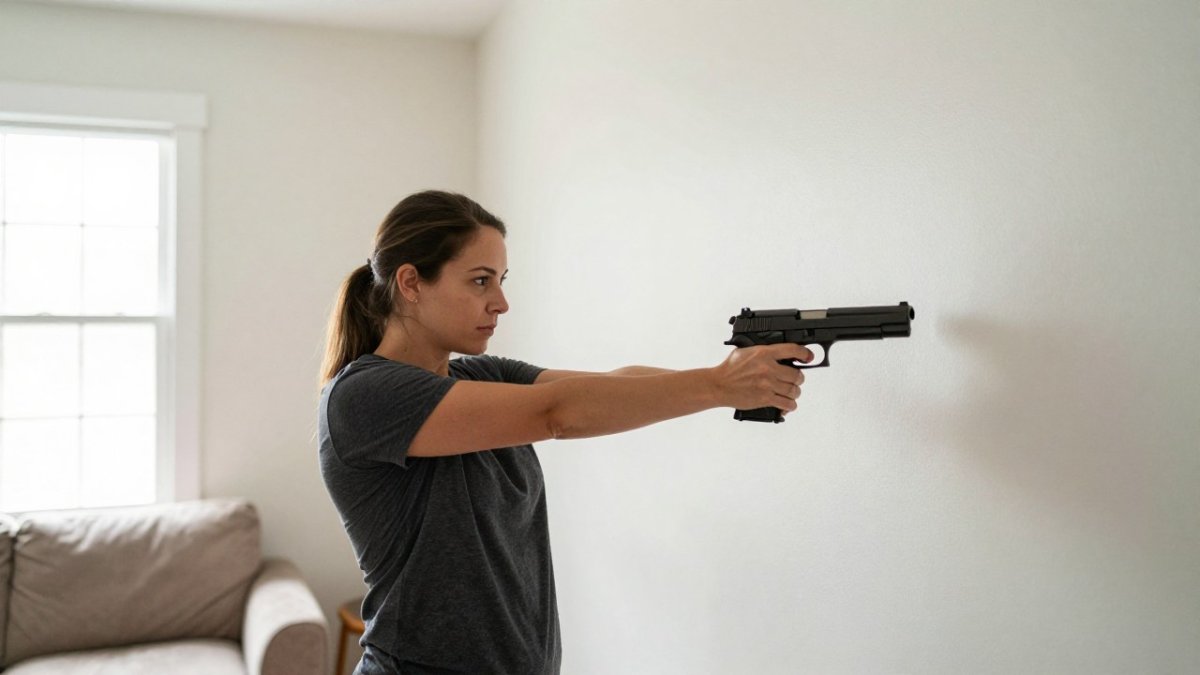
Dry fire practice means working through your handgun's shooting mechanics with the firearm unloaded and no live ammunition in the room. For handgun owners, it is one of the cheapest ways to get better at shooting. Because dry fire builds familiarity with safe handling and shooting mechanics, it can also help clarify what matters when choosing a home defense handgun.
Most of shooting skill is about repetition. Grip, sight alignment, trigger control and reloading all get stronger when you practice them often. Dry fire lets you do that without buying a box of ammo for every session.
- Build a steady grip and trigger press
- Train your sight picture without recoil distracting you
- Practice presentation and reloads at home
- Catch flinching before it shows up on the range
According to the Sig Sauer guidance on daily dry fire training, 10 to 15 minutes of daily practice can produce noticeable gains in shooting performance. That is a small time commitment for a real return.
How Long Should Dry Fire Sessions Be?
Short, frequent sessions work best. Plan on 10 to 15 minutes at a time, and aim for three to four sessions a week, according to the NRA Family recommendations.
Longer sessions are not better. Your focus fades, and sloppy reps become bad habits.
Keep each session focused on one or two skills, such as:
- Trigger press on a single target
- Draw and presentation from your holster
- Reload drills with an empty magazine
Session length and frequency matter more than total hours, so here is what the article recommends.
| Factor | Recommendation | Note |
|---|---|---|
| Session length | 10 to 15 minutes | Focus fades in longer sessions |
| Frequency | Three to four times a week | Short, consistent practice |
| Focus per session | One or two skills | Avoid sloppy reps and bad habits |
Dry Fire Safety Protocols You Must Follow
Dry fire is safe only when you follow strict rules. Treat every firearm as loaded until you have checked it yourself.
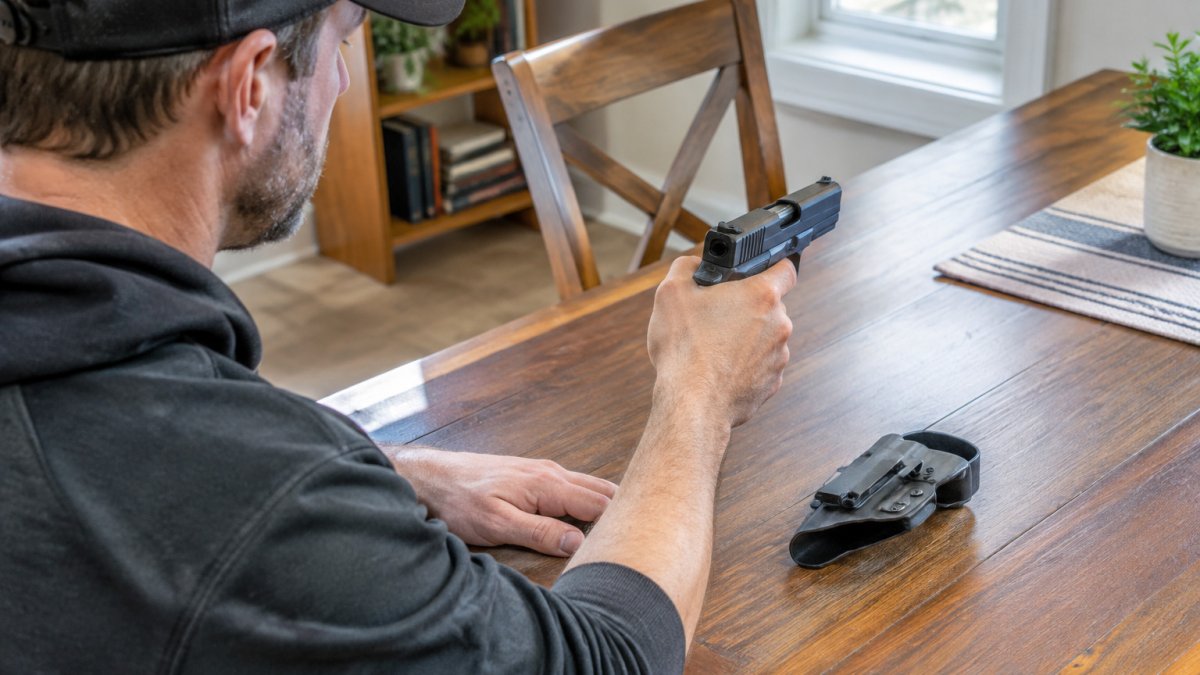
Before every session, use these steps:
- Remove all live ammunition from the practice area
- Keep ammo in a separate room, not just a different drawer (5 Tips to Safely Store Your Guns)
- Point the muzzle in a safe direction, toward a backstop
- Check the chamber and magazine well twice
Watch out: keeping ammo "just across the room" is a common mistake. One mix-up is enough to cause a serious injury.
Dry Fire Training Drills and the Gear to Start With
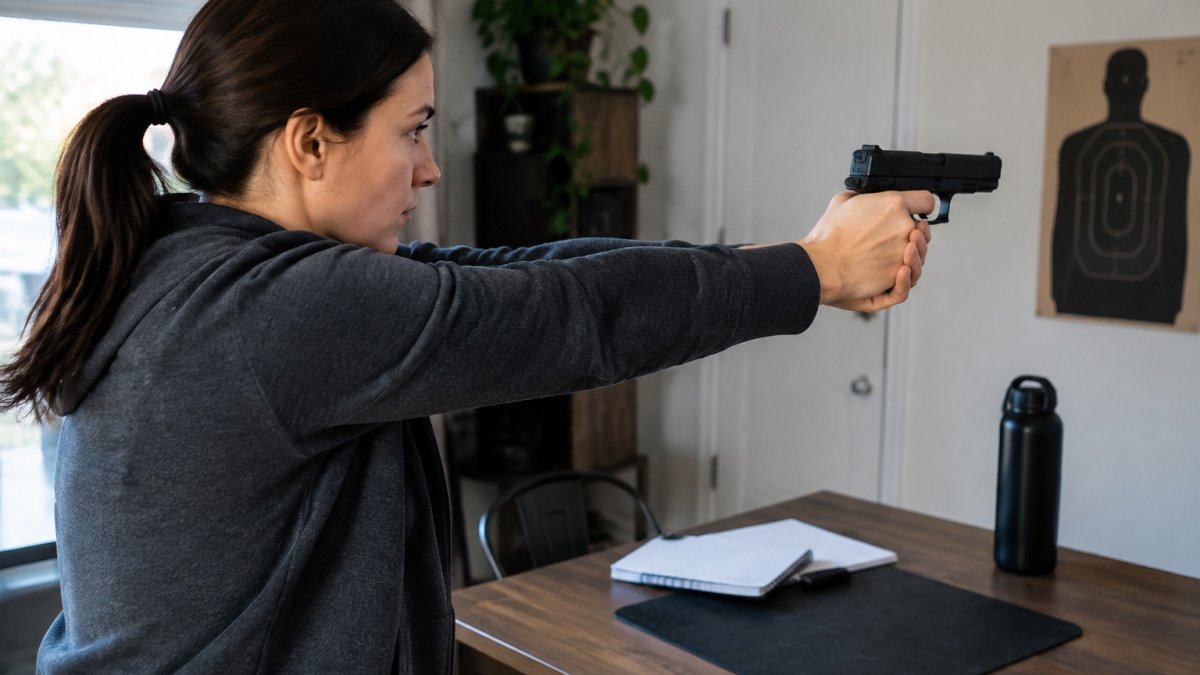
Start with simple drills. Trigger press on a wall target is the foundation. Once that feels smooth, add draws from a holster and magazine reloads.
Useful basic gear includes:
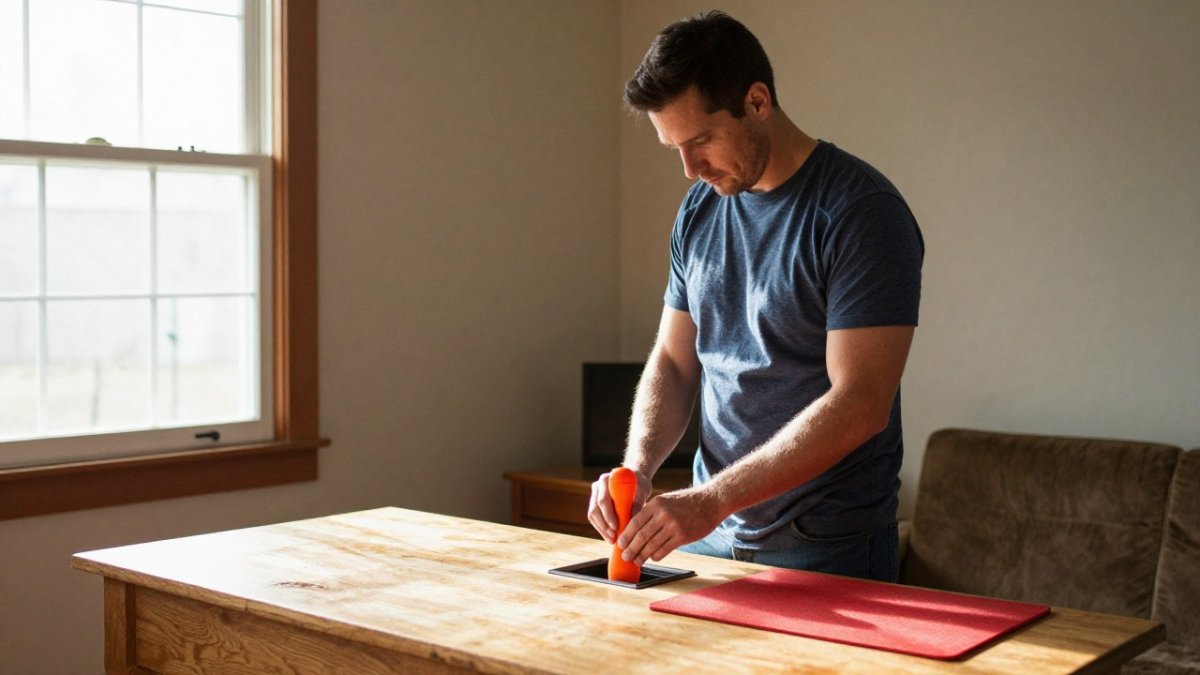
- A snap caps set or dummy rounds to protect your firing pin
- A safe, unloaded target or a small spot on the wall
- A timer for short, consistent sessions
- A dedicated, secure storage box for live ammunition
Start with the fundamentals before buying extra equipment.
Frequently Asked Questions
How often should you do dry fire practice?
Many shooters find 10 to 15 minutes per session, a few times a week, to be a practical rhythm. Short, frequent sessions tend to hold attention better than one long weekly block, and they reinforce grip, sight alignment and trigger control before those habits fade. Log each session so you can see which skill is improving and which one needs more repetitions.
Can dry fire practice replace live-fire range time?
No. Dry fire builds the mechanics of presentation, grip, trigger press and sight picture, but it cannot test recoil management, ammunition reliability or your performance under real noise and stress. Use dry fire between range visits to sharpen fundamentals, then confirm that the skills transfer on the range. Treat the two as complements, with live fire used to validate what you practiced at home.
Is dry fire practice safe for my handgun?
Modern centerfire handguns can be dry fired safely when you use snap caps or dummy rounds, which protect the firing pin and chamber from repeated impact. Rimfire firearms and certain older models should not be dry fired without manufacturer approval, so check your owner's manual before starting. Confirm the firearm is unloaded, remove all ammunition from the practice area, and keep live rounds in a separate room. Failing to clear that area is the most common cause of negligent discharges during home practice.
Tactical Trash Pandas offers reality-based firearms and safety training for every skill level. Contact us or visit our website for current class details and pricing.