 How-to
How to Build a Handgun Dry Fire Routine That Works
Quick Summary
A dry fire routine is practice with an unloaded handgun, no ammunition in the room, that builds trigger control, sight alignment and reset without range costs. Keep sessions short and frequent, following strict safety rules every time. Ten to fifteen minutes, three or four times a week, builds skill faster than one long weekend session.
- Treat every firearm as loaded, even when you know it is not.
- Remove all ammunition from the room before starting any session.
- Start drills by presenting the pistol and aligning the front sight.
- Practice the reset by releasing the trigger only until it clicks.
- Aim for 10 to 15 minutes, three or four times a week.
Table of Contents
- Dry Fire Safety Rules You Must Follow Before Every Session
- Handgun Dry Fire Drills for Trigger Control and Sight Picture
- Setting a Dry Fire Practice Schedule You Can Keep
- Dry Fire Training Tools and Your Next Session
- Frequently Asked Questions
Dry fire training is one of the most useful habits a handgun owner can build, and you can do it without firing a single round. A solid dry fire routine sharpens trigger control, sight alignment and your reset, all from your living room. This guide walks you through how to put together a routine that actually works.
Dry fire means practicing the mechanics of shooting with an unloaded firearm and no ammunition in the room. Done right, it builds muscle memory without range costs. Done wrong, it can get you hurt. So safety comes first. Because safe practice depends on habits that extend beyond the dry-fire session, a firearm safety renewal course can reinforce the same careful approach.
Dry Fire Safety Rules You Must Follow Before Every Session
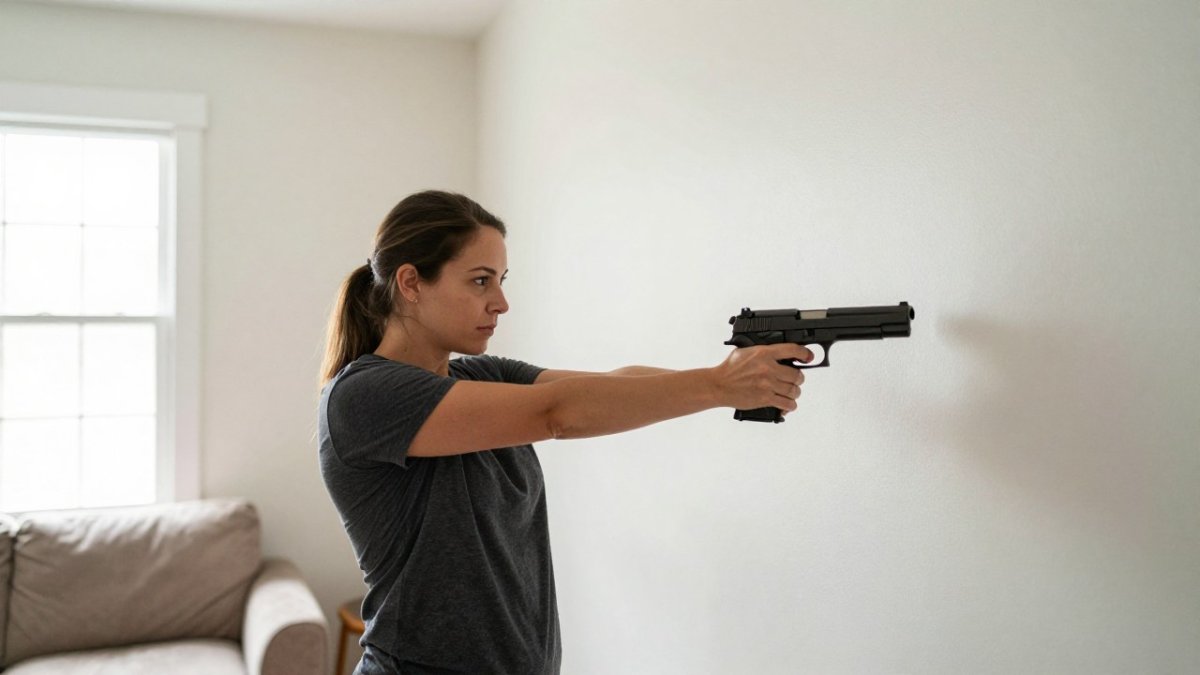
Treat every firearm as loaded, even when you know it is not (4 Primary Rules of Firearm Safety • NSSF). Clear the handgun, lock the slide back, and check the chamber and magazine well twice. Point the muzzle in a safe direction with a solid backstop, and keep your finger off the trigger until you are ready to press it (Safety and Education).
- Remove all ammunition from the room before you start
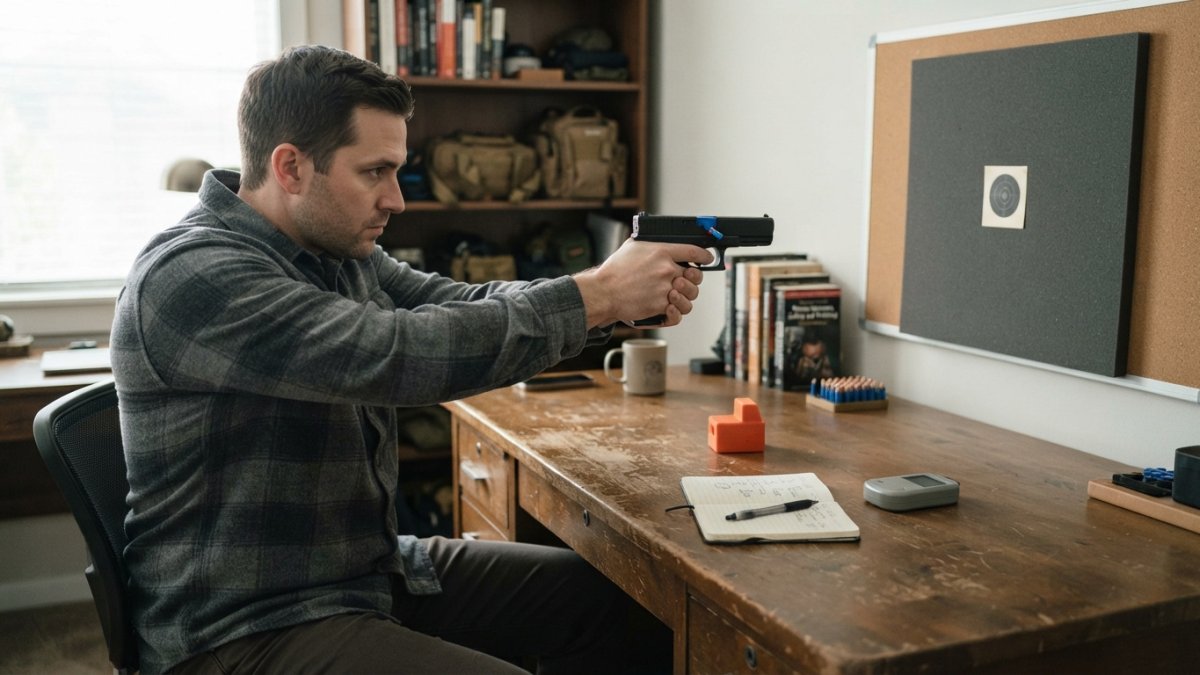
- Use snap caps or dummy rounds if your drill calls for them
- Confirm the target and backstop before every repetition
Handgun Dry Fire Drills for Trigger Control and Sight Picture
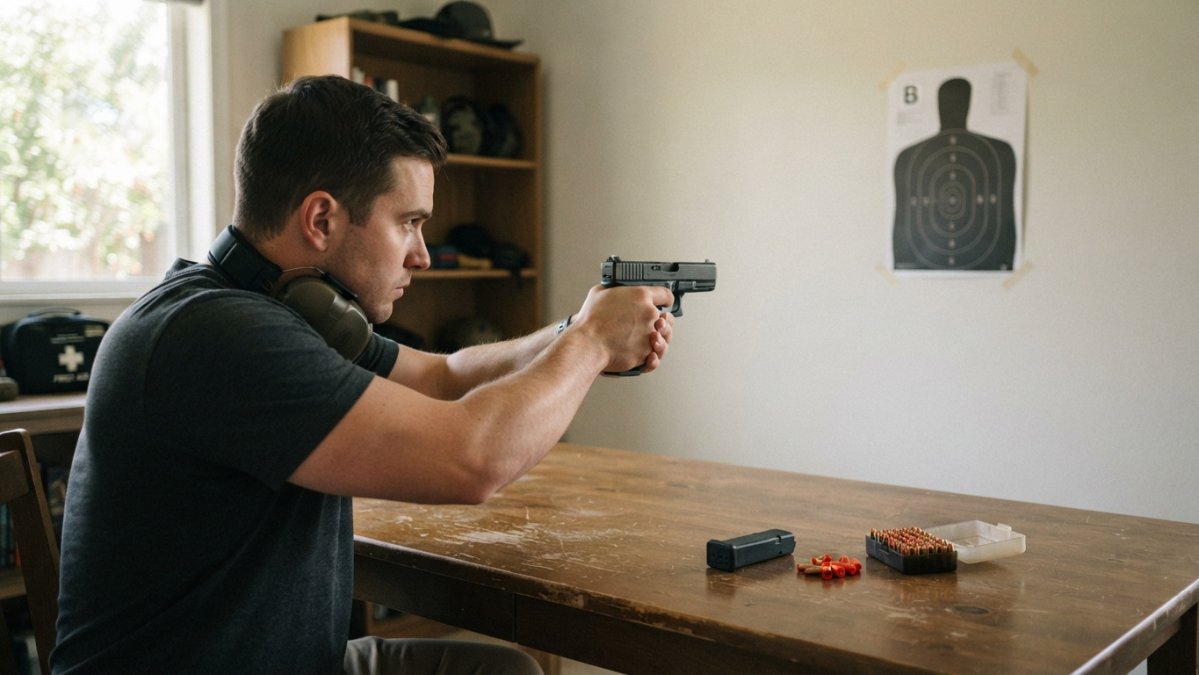
Start with a simple drill: present the pistol, align the front sight, and press the trigger slowly. Watch the sights stay steady through the break. Then practice the reset by releasing the trigger only until you feel it click, and press again. Small, deliberate reps beat long, sloppy ones.
Setting a Dry Fire Practice Schedule You Can Keep
Consistency matters more than length. Many shooters find that 10 to 15 minutes, three or four times a week, builds skill faster than one long weekend session. Keep sessions short enough that focus stays sharp.
The article suggests a schedule that is short and frequent rather than long and occasional.
| Practice pattern | Suggested length | Frequency |
|---|---|---|
| Short regular sessions | 10 to 15 minutes | Three or four times a week |
| One long weekend session | Longer single block | Less often |
Dry Fire Training Tools and Your Next Session
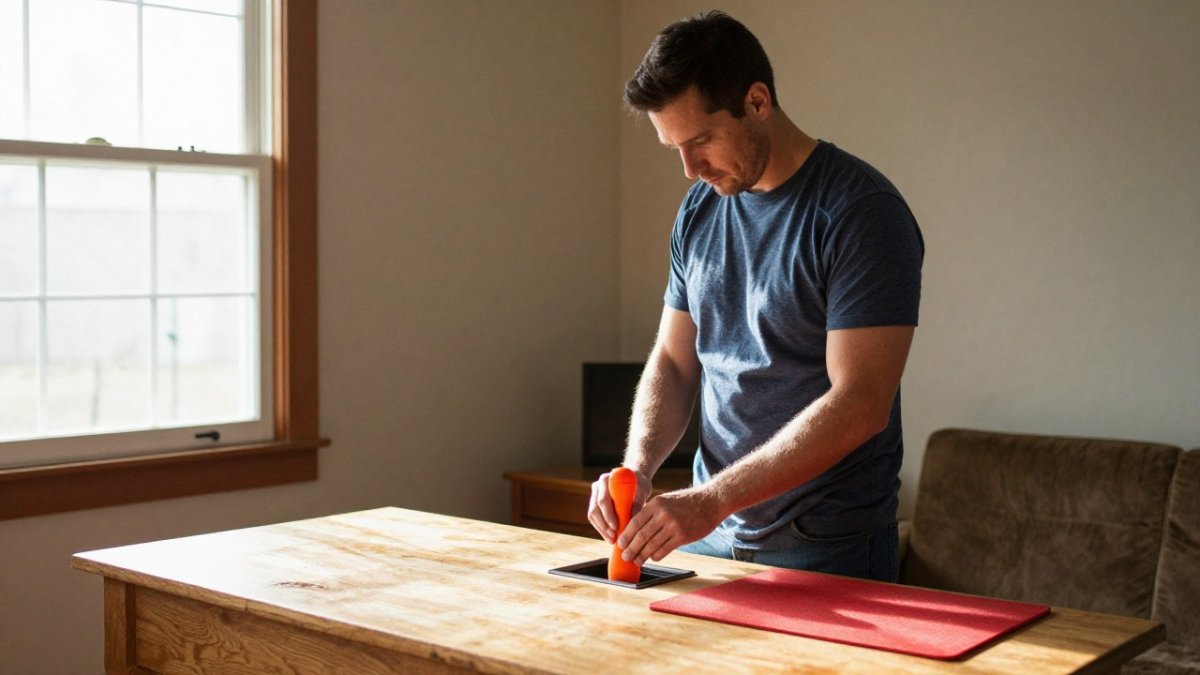
You do not need expensive gear to start. Snap caps, a safe backstop and a simple target are enough. Log each session, note what you worked on, and build from there. Ready to take the next step?
Frequently Asked Questions
How often should you practice handgun dry fire?
Most shooters get the best results from short sessions several times a week rather than one long weekly block. Three to four sessions of 10 to 15 minutes each builds consistency without fatigue. Anecdotally, some shooters find that sessions longer than about 10 minutes lead them to rush or cheat their reps, so they keep sessions short and focused. Track which days you practice so the habit stays visible.
How long should a handgun dry fire session last?
A productive dry fire session typically runs 10 to 20 minutes. Use the first few minutes for the safety check and a warm-up, spend the middle on one or two drills, and finish with a cool-down and a log entry. Quality of each repetition matters more than total time, so stop when your focus drops. Short, deliberate sessions beat long sessions done on autopilot.
What equipment do you need for dry fire practice?
You need an unloaded handgun, dummy rounds or snap caps for your caliber, a safe backstop, and a target. Snap caps let you practice reloads and malfunction drills without live ammunition. A shot timer or a simple timer app helps you measure split times. Keep all live ammunition in a separate room while you practice, and check the chamber every time you handle the firearm.